

Product Passport
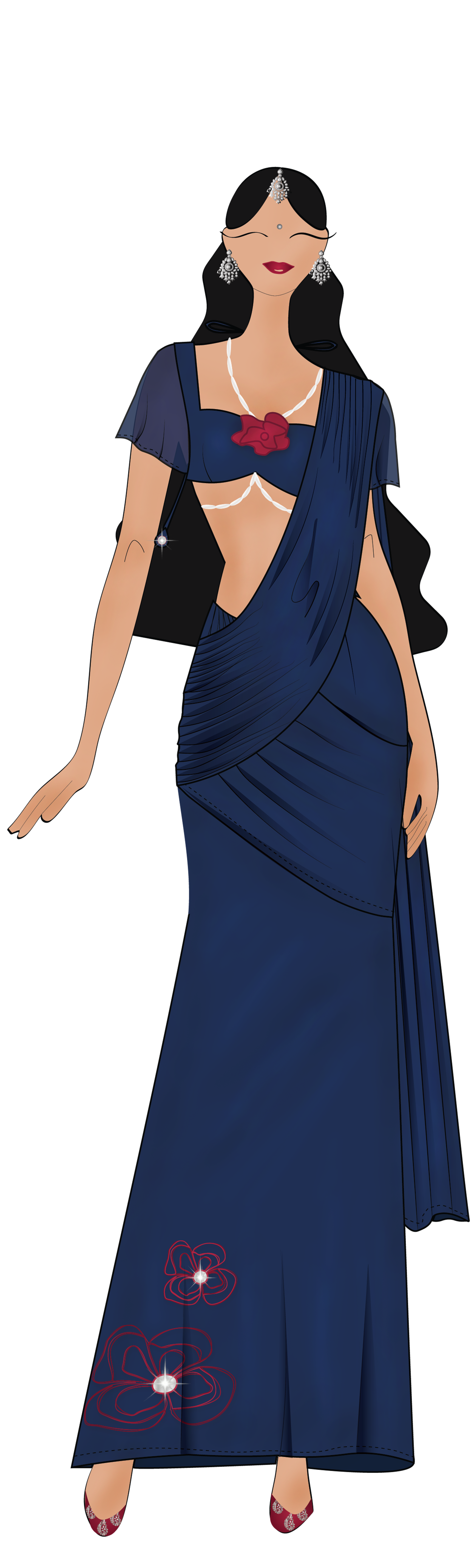
Saree Blouse & Pre-Stitched Saree Skirt
-
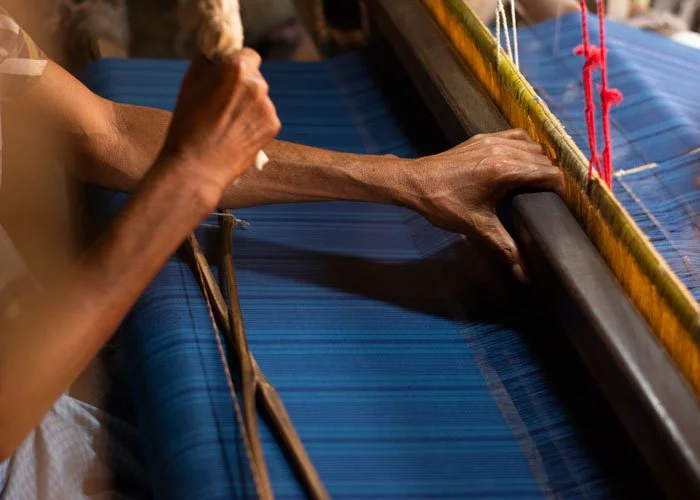
Plain Natural Mulberry Silk & Cotton Blend 40 GSM Handwoven Fabric
50% Cotton, 50% Mulberry Silk
-
Cropped blouse with butterfly sleeves, pearl halter ties, and rose applique center.
Contemporary draped skirt inspired by the elegance of the saree. Features rose embroidery & traditional Shisha Mirrorwork Embroidery details at the hem. Can be styled as a traditional saree, worn as a skirt for versatile wear or draped in different styles.
-
Raw Material → It all starts with natural fibres grown by local farming communities in India. Slow, ethical, and earth-kind.
Raw Material Processing → The fibres are gently cleaned and prepared using low-impact methods to keep everything soft, breathable, and natural.
Yarn Mill → The fibres are spun into yarn at a small mill that focuses on quality, longevity, and minimal waste.
Fabric Mill / Handloom Weaving → Skilled artisans weave the yarn on traditional looms—slow, intentional weaving that gives the fabric its soul.
Dye House → The woven fabric is coloured using responsible dyeing practices and AZO-free dyes for rich, long-lasting tones.
Garment Factory → The fabric is cut and stitched into your saree blouse and saree skirt by a small production team who specialise in craft-focused details.
Transportation from Factory → After a final quality check, your pieces are packed, shipped, and sent straight to you—simple, transparent, traceable.
-
Jamdani Cotton Rose Applique
Pearl Halter Ties
Rose Embroidery & Shisha Mirrorwork
-
Carbon
Main Fabric: Handloom-woven natural fibres with almost no energy use. No powerlooms = minimal carbon.
Manufacturing: Most steps are human-powered; low-impact dyeing keeps emissions small.
Use Phase: Breathable natural fabrics need gentler washing and line-drying, lowering day-to-day footprint.
Transport: Local sourcing in West Bengal reduces internal transport; international shipping is the main carbon contributor.
Distribution: Small-batch production means less warehousing and no overproduction waste.
Packaging: Mostly paper-based and recyclable, keeping carbon impact low.
End of Life: 100% natural fibres break down naturally and leave no microplastics.
Water
Main Fabric: Handloom weaving uses no water; natural fibres have a lighter agricultural footprint when sourced from small farms.
Manufacturing: Minimal water use, especially with natural/azo-free dyes.
Transport: No direct water use.
Packaging: Paper packaging has a moderate water footprint but is recyclable.
End of Life: Natural fibres decompose safely without polluting waterways.
-
AZO-Free Dye Certification
Made from natural, biodegradable fibres
-
Packaging can be re-used as storage box
-
Washing:
-Use cold water and a few drops of a mild, pH-neutral detergent.
-Do not soak for long—silk weakens when left in water.
-Wash gently without rubbing or wringing.
Drying:-Never wring or twist silk to remove water. Lay flat on a clean towel and roll to absorb moisture.
-Dry in shade, away from direct sunlight, which can cause fading. Avoid tumble dryers.
Ironing:-Iron on low heat (silk setting) while still slightly damp. Place a thin cotton cloth between the iron and the fabric.
-Use steam lightly to remove wrinkles—avoid direct spray of water.
Storage:-Wrap in muslin, avoid plastic covers.
-Keep in a cool, dry place. Refold periodically to prevent permanent creases. -
Alteration services
Pre-loved offerings
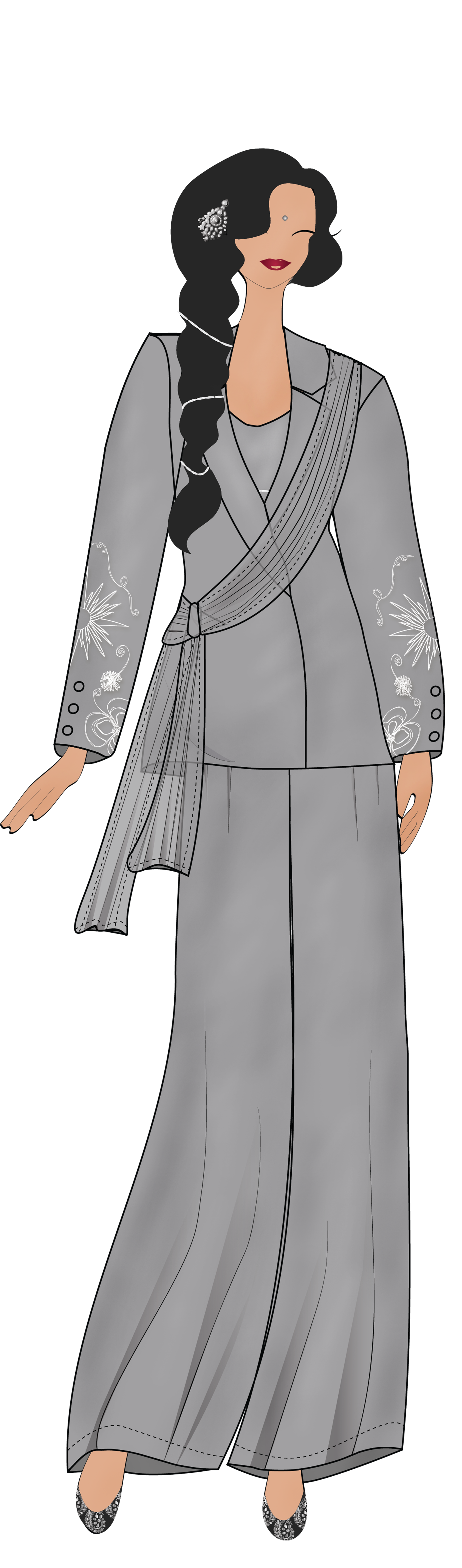
Oversized Embroidered Blazer, Wide Leg Trousers & Work Top
-
Khadi Cotton 190 GSM Fabric
-
Single-breasted khadi blazer with floral embroidery on sleeves, 3-button cuff detail.
Modern work blouse inspired by the traditional saree blouse. Features beaded halter strap and back tie detail.
High-waisted relaxed-fit khadi trousers with structured waistband and soft pleats at the front.
-
Raw Material → It all starts with natural fibres grown by local farming communities in India. Slow, ethical, and earth-kind.
Raw Material Processing → The fibres are gently cleaned and prepared using low-impact methods to keep everything soft, breathable, and natural.
Yarn Mill → The fibres are spun into yarn at a small mill that focuses on quality, longevity, and minimal waste.
Fabric Mill / Handloom Weaving → Skilled artisans weave the yarn on traditional looms—slow, intentional weaving that gives the fabric its soul.
Dye House → The woven fabric is coloured using responsible dyeing practices and AZO-free dyes for rich, long-lasting tones.
Garment Factory → The fabric is cut and stitched into your saree blouse and saree skirt by a small production team who specialise in craft-focused details.
Transportation from Factory → After a final quality check, your pieces are packed, shipped, and sent straight to you—simple, transparent, traceable.
-
Embroidered Sleeves on Blazer
Pearl halter neck detail on top
-
Carbon
Main Fabric: Handloom-woven natural fibres with almost no energy use. No powerlooms = minimal carbon.
Manufacturing: Most steps are human-powered; low-impact dyeing keeps emissions small.
Use Phase: Breathable natural fabrics need gentler washing and line-drying, lowering day-to-day footprint.
Transport: Local sourcing in West Bengal reduces internal transport; international shipping is the main carbon contributor.
Distribution: Small-batch production means less warehousing and no overproduction waste.
Packaging: Mostly paper-based and recyclable, keeping carbon impact low.
End of Life: 100% natural fibres break down naturally and leave no microplastics.
Water
Main Fabric: Handloom weaving uses no water; natural fibres have a lighter agricultural footprint when sourced from small farms.
Manufacturing: Minimal water use, especially with natural/azo-free dyes.
Transport: No direct water use.
Packaging: Paper packaging has a moderate water footprint but is recyclable.
End of Life: Natural fibres decompose safely without polluting waterways.
-
AZO-Free Dye Certification
Made from natural, biodegradable fibres
-
Packaging can be re-used as storage box
-
Washing:
-Hand wash in cold water with mild detergent.
-Avoid long soaking; wash colors separately at first.Drying:
-Dry in shade, never wring.
-Lay flat or hang in a ventilated space.Ironing:
-Iron while damp for best results.
-Use medium heat (cotton Khadi) or low heat (silk Khadi).Storage:
-Store in muslin cloth, never plastic.
-Refold occasionally to avoid creases. -
Alteration services
Pre-loved offerings